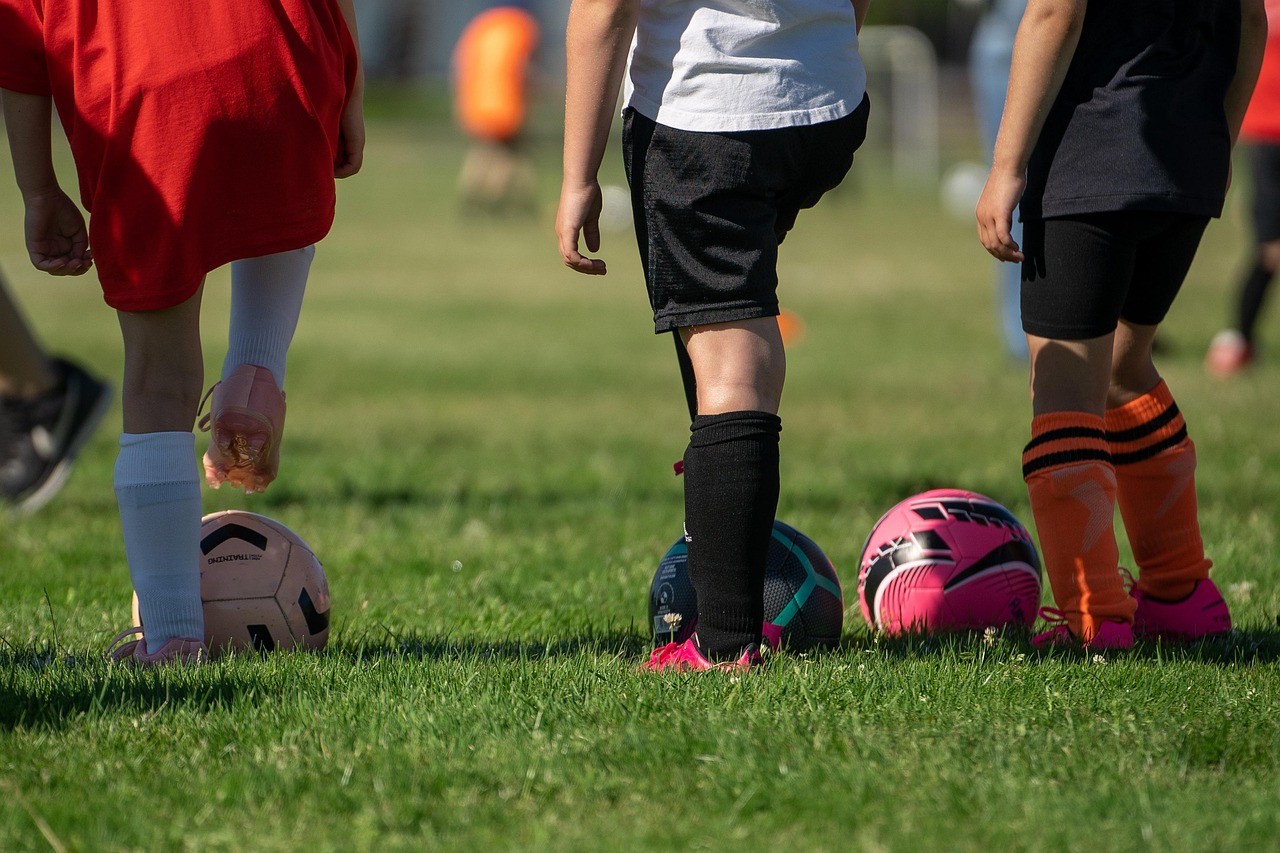
Youth Soccer Jersey Ideas: Colors, Styles & Team Details
How to Choose Your Team’s Jersey Design
The strongest youth soccer jersey ideas start with a clear color palette, readable names and numbers, and one distinctive team detail. Consider retro stripes, bold color blocks, a subtle gradient or an original crest, then choose the direction that best fits your team.
At SPORTY, you can start with design templates or use AI-powered artwork to explore a custom uniform concept (SPORTY design options). This guide focuses on the decisions to make before you open the designer, so your team has a clear direction instead of a folder full of competing ideas.
Which youth soccer jersey style should your team choose?
Start with one main visual idea. Use the following options as creative directions, not as a ranking of what every team should wear.
Retro stripes: Try vertical stripes, contrasting sleeve bands or a simple chest band. Pair the pattern with clean lettering rather than adding several competing effects.
Bold color blocking: Give the body, shoulders or sleeves distinct areas of color. For a restrained version, use navy and white with a small gold accent.
Gradient design: Explore a light-to-dark transition within one color family. Leave a visually quiet area behind the team name and number.
Subtle geometric pattern: Build a background from small angles, repeated shapes or a simple wave motif. Keep the pattern secondary to the lettering.
Local identity: Start with an original symbol connected to your community, such as a coastline, mountain outline or neighborhood landmark. Use artwork your team owns or has permission to reproduce.
Choose one direction before collecting opinions on every small detail. A clear starting point makes feedback easier to act on.
How should you choose team colors?
Begin with a main color, a supporting color and, if needed, one accent. As a design rule of thumb, reserve the clearest contrast for the name and number instead of spreading equally bold details across the entire jersey.
Consider these starting palettes:
Navy, white and gold: A restrained option for stripes, crests and color-block designs.
Royal blue, white and lime: A brighter direction with a small contrasting accent.
Forest green and cream: A starting point for a retro-inspired look.
Coral, teal and white: An option for coastal themes or playful geometric designs.
These are creative suggestions, not claims that particular colors change player behavior or improve results. Review the design at a small preview size, ask whether the lettering still reads clearly, and check your league’s uniform requirements before approving it.
Where should you place the team name, crest and numbers?
Give the essential information priority. Start with the required names and numbers, then place decorative elements around them rather than trying to fit the essentials into the space left over.
Team name: Choose a clear placement and avoid layering it over the busiest part of the pattern.
Crest or logo: Use an original mark or an authorized logo. If the crest contains small lettering, review whether those details remain readable at the intended print size.
Player number: Keep its background uncluttered and confirm the required size and placement with your league.
Additional details: Consider a short motto or small local symbol only after the main layout is working. Confirm that the selected garment and customization tools support the placement you want.
Keep one final artwork file and have a designated person approve it. Ask families to confirm name spellings, numbers and sizes before the order is submitted.
What should you check besides the design?
Treat the visual concept and the physical garment as separate decisions. A mockup can help you choose artwork, but it should not replace checking the size chart or reviewing a sample when your schedule allows.
SPORTY describes its materials as moisture-wicking and breathable on its website (published material information). For the specific style you select, confirm the available sizes, fabric details and fit before ordering.
Use this short checklist:
Sizing: Follow the supplier’s measurement instructions rather than assuming one brand’s youth medium matches another’s.
Movement: If you have a sample, check whether the player can raise their arms, turn and move comfortably.
Color: If exact color matching matters, ask how to review a physical sample rather than relying only on a screen.
Care: Review the garment’s actual care instructions before choosing a cleaning routine.
Timing: Confirm when the order will ship and its estimated arrival date, allowing time for roster and artwork corrections.
Do not assume a jersey contains recycled material, certified sun protection or reflective components unless those specifications are confirmed for that product. Choose the garment based on documented features, not on a design trend.
How can you personalize a jersey without overcrowding it?
Add one detail that belongs to your team. An original crest, short motto, distinctive sleeve pattern or locally inspired graphic can give you a clear design direction without filling every available space.
For example, a coastal team could combine a wave pattern with a simple wordmark. A team celebrating an anniversary could use a small commemorative detail, subject to league rules and the supplier’s available customization options.
When reviewing the mockup, ask: What should someone notice first? If the answer is unclear, remove or simplify a decorative element before adding another.
Frequently asked questions
Can we use a professional club’s crest?
Do not assume an image found online is cleared for reproduction. Use your own artwork, obtain appropriate permission or create an original team identity instead.
Should parents or players choose the final design?
Give the group two or three options that already meet your budget and league requirements. Collect preferences, then have one designated person approve the final artwork to avoid contradictory changes.
Should every team in a club use the same design?
Decide what should remain consistent, such as the crest and main colors, and what may vary by team. Document that decision before creating several designs so the club’s look stays intentional.
Ready to create your team’s soccer jersey?
Choose your main colors, one design direction and the team details you want to include. Then explore the SPORTY jersey gallery for examples and review current jersey pricing before settling on an order.
When you are ready to build your team’s version, select Get Started on the SPORTY website. Review the final artwork, sizes and delivery timing before submitting the order.
Custom Soccer Jersey Ideas
Youth soccer jersey ideas
Custom soccer uniforms for kids
Soccer jersey design tips
More Great Sports & Uniform Ideas


How to Choose Your Team’s Jersey Design
The strongest youth soccer jersey ideas start with a clear color palette, readable names and numbers, and one distinctive team detail. Consider retro stripes, bold color blocks, a subtle gradient or an original crest, then choose the direction that best fits your team.
At SPORTY, you can start with design templates or use AI-powered artwork to explore a custom uniform concept (SPORTY design options). This guide focuses on the decisions to make before you open the designer, so your team has a clear direction instead of a folder full of competing ideas.
Which youth soccer jersey style should your team choose?
Start with one main visual idea. Use the following options as creative directions, not as a ranking of what every team should wear.
Retro stripes: Try vertical stripes, contrasting sleeve bands or a simple chest band. Pair the pattern with clean lettering rather than adding several competing effects.
Bold color blocking: Give the body, shoulders or sleeves distinct areas of color. For a restrained version, use navy and white with a small gold accent.
Gradient design: Explore a light-to-dark transition within one color family. Leave a visually quiet area behind the team name and number.
Subtle geometric pattern: Build a background from small angles, repeated shapes or a simple wave motif. Keep the pattern secondary to the lettering.
Local identity: Start with an original symbol connected to your community, such as a coastline, mountain outline or neighborhood landmark. Use artwork your team owns or has permission to reproduce.
Choose one direction before collecting opinions on every small detail. A clear starting point makes feedback easier to act on.
How should you choose team colors?
Begin with a main color, a supporting color and, if needed, one accent. As a design rule of thumb, reserve the clearest contrast for the name and number instead of spreading equally bold details across the entire jersey.
Consider these starting palettes:
Navy, white and gold: A restrained option for stripes, crests and color-block designs.
Royal blue, white and lime: A brighter direction with a small contrasting accent.
Forest green and cream: A starting point for a retro-inspired look.
Coral, teal and white: An option for coastal themes or playful geometric designs.
These are creative suggestions, not claims that particular colors change player behavior or improve results. Review the design at a small preview size, ask whether the lettering still reads clearly, and check your league’s uniform requirements before approving it.
Where should you place the team name, crest and numbers?
Give the essential information priority. Start with the required names and numbers, then place decorative elements around them rather than trying to fit the essentials into the space left over.
Team name: Choose a clear placement and avoid layering it over the busiest part of the pattern.
Crest or logo: Use an original mark or an authorized logo. If the crest contains small lettering, review whether those details remain readable at the intended print size.
Player number: Keep its background uncluttered and confirm the required size and placement with your league.
Additional details: Consider a short motto or small local symbol only after the main layout is working. Confirm that the selected garment and customization tools support the placement you want.
Keep one final artwork file and have a designated person approve it. Ask families to confirm name spellings, numbers and sizes before the order is submitted.
What should you check besides the design?
Treat the visual concept and the physical garment as separate decisions. A mockup can help you choose artwork, but it should not replace checking the size chart or reviewing a sample when your schedule allows.
SPORTY describes its materials as moisture-wicking and breathable on its website (published material information). For the specific style you select, confirm the available sizes, fabric details and fit before ordering.
Use this short checklist:
Sizing: Follow the supplier’s measurement instructions rather than assuming one brand’s youth medium matches another’s.
Movement: If you have a sample, check whether the player can raise their arms, turn and move comfortably.
Color: If exact color matching matters, ask how to review a physical sample rather than relying only on a screen.
Care: Review the garment’s actual care instructions before choosing a cleaning routine.
Timing: Confirm when the order will ship and its estimated arrival date, allowing time for roster and artwork corrections.
Do not assume a jersey contains recycled material, certified sun protection or reflective components unless those specifications are confirmed for that product. Choose the garment based on documented features, not on a design trend.
How can you personalize a jersey without overcrowding it?
Add one detail that belongs to your team. An original crest, short motto, distinctive sleeve pattern or locally inspired graphic can give you a clear design direction without filling every available space.
For example, a coastal team could combine a wave pattern with a simple wordmark. A team celebrating an anniversary could use a small commemorative detail, subject to league rules and the supplier’s available customization options.
When reviewing the mockup, ask: What should someone notice first? If the answer is unclear, remove or simplify a decorative element before adding another.
Frequently asked questions
Can we use a professional club’s crest?
Do not assume an image found online is cleared for reproduction. Use your own artwork, obtain appropriate permission or create an original team identity instead.
Should parents or players choose the final design?
Give the group two or three options that already meet your budget and league requirements. Collect preferences, then have one designated person approve the final artwork to avoid contradictory changes.
Should every team in a club use the same design?
Decide what should remain consistent, such as the crest and main colors, and what may vary by team. Document that decision before creating several designs so the club’s look stays intentional.
Ready to create your team’s soccer jersey?
Choose your main colors, one design direction and the team details you want to include. Then explore the SPORTY jersey gallery for examples and review current jersey pricing before settling on an order.
When you are ready to build your team’s version, select Get Started on the SPORTY website. Review the final artwork, sizes and delivery timing before submitting the order.
Custom Soccer Jersey Ideas
Youth soccer jersey ideas
Custom soccer uniforms for kids
Soccer jersey design tips
Youth Soccer Jersey Ideas: Colors, Styles & Team Details
How to Choose Your Team’s Jersey Design
The strongest youth soccer jersey ideas start with a clear color palette, readable names and numbers, and one distinctive team detail. Consider retro stripes, bold color blocks, a subtle gradient or an original crest, then choose the direction that best fits your team.
At SPORTY, you can start with design templates or use AI-powered artwork to explore a custom uniform concept (SPORTY design options). This guide focuses on the decisions to make before you open the designer, so your team has a clear direction instead of a folder full of competing ideas.
Which youth soccer jersey style should your team choose?
Start with one main visual idea. Use the following options as creative directions, not as a ranking of what every team should wear.
Retro stripes: Try vertical stripes, contrasting sleeve bands or a simple chest band. Pair the pattern with clean lettering rather than adding several competing effects.
Bold color blocking: Give the body, shoulders or sleeves distinct areas of color. For a restrained version, use navy and white with a small gold accent.
Gradient design: Explore a light-to-dark transition within one color family. Leave a visually quiet area behind the team name and number.
Subtle geometric pattern: Build a background from small angles, repeated shapes or a simple wave motif. Keep the pattern secondary to the lettering.
Local identity: Start with an original symbol connected to your community, such as a coastline, mountain outline or neighborhood landmark. Use artwork your team owns or has permission to reproduce.
Choose one direction before collecting opinions on every small detail. A clear starting point makes feedback easier to act on.
How should you choose team colors?
Begin with a main color, a supporting color and, if needed, one accent. As a design rule of thumb, reserve the clearest contrast for the name and number instead of spreading equally bold details across the entire jersey.
Consider these starting palettes:
Navy, white and gold: A restrained option for stripes, crests and color-block designs.
Royal blue, white and lime: A brighter direction with a small contrasting accent.
Forest green and cream: A starting point for a retro-inspired look.
Coral, teal and white: An option for coastal themes or playful geometric designs.
These are creative suggestions, not claims that particular colors change player behavior or improve results. Review the design at a small preview size, ask whether the lettering still reads clearly, and check your league’s uniform requirements before approving it.
Where should you place the team name, crest and numbers?
Give the essential information priority. Start with the required names and numbers, then place decorative elements around them rather than trying to fit the essentials into the space left over.
Team name: Choose a clear placement and avoid layering it over the busiest part of the pattern.
Crest or logo: Use an original mark or an authorized logo. If the crest contains small lettering, review whether those details remain readable at the intended print size.
Player number: Keep its background uncluttered and confirm the required size and placement with your league.
Additional details: Consider a short motto or small local symbol only after the main layout is working. Confirm that the selected garment and customization tools support the placement you want.
Keep one final artwork file and have a designated person approve it. Ask families to confirm name spellings, numbers and sizes before the order is submitted.
What should you check besides the design?
Treat the visual concept and the physical garment as separate decisions. A mockup can help you choose artwork, but it should not replace checking the size chart or reviewing a sample when your schedule allows.
SPORTY describes its materials as moisture-wicking and breathable on its website (published material information). For the specific style you select, confirm the available sizes, fabric details and fit before ordering.
Use this short checklist:
Sizing: Follow the supplier’s measurement instructions rather than assuming one brand’s youth medium matches another’s.
Movement: If you have a sample, check whether the player can raise their arms, turn and move comfortably.
Color: If exact color matching matters, ask how to review a physical sample rather than relying only on a screen.
Care: Review the garment’s actual care instructions before choosing a cleaning routine.
Timing: Confirm when the order will ship and its estimated arrival date, allowing time for roster and artwork corrections.
Do not assume a jersey contains recycled material, certified sun protection or reflective components unless those specifications are confirmed for that product. Choose the garment based on documented features, not on a design trend.
How can you personalize a jersey without overcrowding it?
Add one detail that belongs to your team. An original crest, short motto, distinctive sleeve pattern or locally inspired graphic can give you a clear design direction without filling every available space.
For example, a coastal team could combine a wave pattern with a simple wordmark. A team celebrating an anniversary could use a small commemorative detail, subject to league rules and the supplier’s available customization options.
When reviewing the mockup, ask: What should someone notice first? If the answer is unclear, remove or simplify a decorative element before adding another.
Frequently asked questions
Can we use a professional club’s crest?
Do not assume an image found online is cleared for reproduction. Use your own artwork, obtain appropriate permission or create an original team identity instead.
Should parents or players choose the final design?
Give the group two or three options that already meet your budget and league requirements. Collect preferences, then have one designated person approve the final artwork to avoid contradictory changes.
Should every team in a club use the same design?
Decide what should remain consistent, such as the crest and main colors, and what may vary by team. Document that decision before creating several designs so the club’s look stays intentional.
Ready to create your team’s soccer jersey?
Choose your main colors, one design direction and the team details you want to include. Then explore the SPORTY jersey gallery for examples and review current jersey pricing before settling on an order.
When you are ready to build your team’s version, select Get Started on the SPORTY website. Review the final artwork, sizes and delivery timing before submitting the order.
Custom Soccer Jersey Ideas
Youth soccer jersey ideas
Custom soccer uniforms for kids
Soccer jersey design tips
More Great Sports & Uniform Ideas
How to Choose Your Team’s Jersey Design
The strongest youth soccer jersey ideas start with a clear color palette, readable names and numbers, and one distinctive team detail. Consider retro stripes, bold color blocks, a subtle gradient or an original crest, then choose the direction that best fits your team.
At SPORTY, you can start with design templates or use AI-powered artwork to explore a custom uniform concept (SPORTY design options). This guide focuses on the decisions to make before you open the designer, so your team has a clear direction instead of a folder full of competing ideas.
Which youth soccer jersey style should your team choose?
Start with one main visual idea. Use the following options as creative directions, not as a ranking of what every team should wear.
Retro stripes: Try vertical stripes, contrasting sleeve bands or a simple chest band. Pair the pattern with clean lettering rather than adding several competing effects.
Bold color blocking: Give the body, shoulders or sleeves distinct areas of color. For a restrained version, use navy and white with a small gold accent.
Gradient design: Explore a light-to-dark transition within one color family. Leave a visually quiet area behind the team name and number.
Subtle geometric pattern: Build a background from small angles, repeated shapes or a simple wave motif. Keep the pattern secondary to the lettering.
Local identity: Start with an original symbol connected to your community, such as a coastline, mountain outline or neighborhood landmark. Use artwork your team owns or has permission to reproduce.
Choose one direction before collecting opinions on every small detail. A clear starting point makes feedback easier to act on.
How should you choose team colors?
Begin with a main color, a supporting color and, if needed, one accent. As a design rule of thumb, reserve the clearest contrast for the name and number instead of spreading equally bold details across the entire jersey.
Consider these starting palettes:
Navy, white and gold: A restrained option for stripes, crests and color-block designs.
Royal blue, white and lime: A brighter direction with a small contrasting accent.
Forest green and cream: A starting point for a retro-inspired look.
Coral, teal and white: An option for coastal themes or playful geometric designs.
These are creative suggestions, not claims that particular colors change player behavior or improve results. Review the design at a small preview size, ask whether the lettering still reads clearly, and check your league’s uniform requirements before approving it.
Where should you place the team name, crest and numbers?
Give the essential information priority. Start with the required names and numbers, then place decorative elements around them rather than trying to fit the essentials into the space left over.
Team name: Choose a clear placement and avoid layering it over the busiest part of the pattern.
Crest or logo: Use an original mark or an authorized logo. If the crest contains small lettering, review whether those details remain readable at the intended print size.
Player number: Keep its background uncluttered and confirm the required size and placement with your league.
Additional details: Consider a short motto or small local symbol only after the main layout is working. Confirm that the selected garment and customization tools support the placement you want.
Keep one final artwork file and have a designated person approve it. Ask families to confirm name spellings, numbers and sizes before the order is submitted.
What should you check besides the design?
Treat the visual concept and the physical garment as separate decisions. A mockup can help you choose artwork, but it should not replace checking the size chart or reviewing a sample when your schedule allows.
SPORTY describes its materials as moisture-wicking and breathable on its website (published material information). For the specific style you select, confirm the available sizes, fabric details and fit before ordering.
Use this short checklist:
Sizing: Follow the supplier’s measurement instructions rather than assuming one brand’s youth medium matches another’s.
Movement: If you have a sample, check whether the player can raise their arms, turn and move comfortably.
Color: If exact color matching matters, ask how to review a physical sample rather than relying only on a screen.
Care: Review the garment’s actual care instructions before choosing a cleaning routine.
Timing: Confirm when the order will ship and its estimated arrival date, allowing time for roster and artwork corrections.
Do not assume a jersey contains recycled material, certified sun protection or reflective components unless those specifications are confirmed for that product. Choose the garment based on documented features, not on a design trend.
How can you personalize a jersey without overcrowding it?
Add one detail that belongs to your team. An original crest, short motto, distinctive sleeve pattern or locally inspired graphic can give you a clear design direction without filling every available space.
For example, a coastal team could combine a wave pattern with a simple wordmark. A team celebrating an anniversary could use a small commemorative detail, subject to league rules and the supplier’s available customization options.
When reviewing the mockup, ask: What should someone notice first? If the answer is unclear, remove or simplify a decorative element before adding another.
Frequently asked questions
Can we use a professional club’s crest?
Do not assume an image found online is cleared for reproduction. Use your own artwork, obtain appropriate permission or create an original team identity instead.
Should parents or players choose the final design?
Give the group two or three options that already meet your budget and league requirements. Collect preferences, then have one designated person approve the final artwork to avoid contradictory changes.
Should every team in a club use the same design?
Decide what should remain consistent, such as the crest and main colors, and what may vary by team. Document that decision before creating several designs so the club’s look stays intentional.
Ready to create your team’s soccer jersey?
Choose your main colors, one design direction and the team details you want to include. Then explore the SPORTY jersey gallery for examples and review current jersey pricing before settling on an order.
When you are ready to build your team’s version, select Get Started on the SPORTY website. Review the final artwork, sizes and delivery timing before submitting the order.
Custom Soccer Jersey Ideas
Youth soccer jersey ideas
Custom soccer uniforms for kids
Soccer jersey design tips
Youth Soccer Jersey Ideas: Colors, Styles & Team Details
How to Choose Your Team’s Jersey Design
The strongest youth soccer jersey ideas start with a clear color palette, readable names and numbers, and one distinctive team detail. Consider retro stripes, bold color blocks, a subtle gradient or an original crest, then choose the direction that best fits your team.
At SPORTY, you can start with design templates or use AI-powered artwork to explore a custom uniform concept (SPORTY design options). This guide focuses on the decisions to make before you open the designer, so your team has a clear direction instead of a folder full of competing ideas.
Which youth soccer jersey style should your team choose?
Start with one main visual idea. Use the following options as creative directions, not as a ranking of what every team should wear.
Retro stripes: Try vertical stripes, contrasting sleeve bands or a simple chest band. Pair the pattern with clean lettering rather than adding several competing effects.
Bold color blocking: Give the body, shoulders or sleeves distinct areas of color. For a restrained version, use navy and white with a small gold accent.
Gradient design: Explore a light-to-dark transition within one color family. Leave a visually quiet area behind the team name and number.
Subtle geometric pattern: Build a background from small angles, repeated shapes or a simple wave motif. Keep the pattern secondary to the lettering.
Local identity: Start with an original symbol connected to your community, such as a coastline, mountain outline or neighborhood landmark. Use artwork your team owns or has permission to reproduce.
Choose one direction before collecting opinions on every small detail. A clear starting point makes feedback easier to act on.
How should you choose team colors?
Begin with a main color, a supporting color and, if needed, one accent. As a design rule of thumb, reserve the clearest contrast for the name and number instead of spreading equally bold details across the entire jersey.
Consider these starting palettes:
Navy, white and gold: A restrained option for stripes, crests and color-block designs.
Royal blue, white and lime: A brighter direction with a small contrasting accent.
Forest green and cream: A starting point for a retro-inspired look.
Coral, teal and white: An option for coastal themes or playful geometric designs.
These are creative suggestions, not claims that particular colors change player behavior or improve results. Review the design at a small preview size, ask whether the lettering still reads clearly, and check your league’s uniform requirements before approving it.
Where should you place the team name, crest and numbers?
Give the essential information priority. Start with the required names and numbers, then place decorative elements around them rather than trying to fit the essentials into the space left over.
Team name: Choose a clear placement and avoid layering it over the busiest part of the pattern.
Crest or logo: Use an original mark or an authorized logo. If the crest contains small lettering, review whether those details remain readable at the intended print size.
Player number: Keep its background uncluttered and confirm the required size and placement with your league.
Additional details: Consider a short motto or small local symbol only after the main layout is working. Confirm that the selected garment and customization tools support the placement you want.
Keep one final artwork file and have a designated person approve it. Ask families to confirm name spellings, numbers and sizes before the order is submitted.
What should you check besides the design?
Treat the visual concept and the physical garment as separate decisions. A mockup can help you choose artwork, but it should not replace checking the size chart or reviewing a sample when your schedule allows.
SPORTY describes its materials as moisture-wicking and breathable on its website (published material information). For the specific style you select, confirm the available sizes, fabric details and fit before ordering.
Use this short checklist:
Sizing: Follow the supplier’s measurement instructions rather than assuming one brand’s youth medium matches another’s.
Movement: If you have a sample, check whether the player can raise their arms, turn and move comfortably.
Color: If exact color matching matters, ask how to review a physical sample rather than relying only on a screen.
Care: Review the garment’s actual care instructions before choosing a cleaning routine.
Timing: Confirm when the order will ship and its estimated arrival date, allowing time for roster and artwork corrections.
Do not assume a jersey contains recycled material, certified sun protection or reflective components unless those specifications are confirmed for that product. Choose the garment based on documented features, not on a design trend.
How can you personalize a jersey without overcrowding it?
Add one detail that belongs to your team. An original crest, short motto, distinctive sleeve pattern or locally inspired graphic can give you a clear design direction without filling every available space.
For example, a coastal team could combine a wave pattern with a simple wordmark. A team celebrating an anniversary could use a small commemorative detail, subject to league rules and the supplier’s available customization options.
When reviewing the mockup, ask: What should someone notice first? If the answer is unclear, remove or simplify a decorative element before adding another.
Frequently asked questions
Can we use a professional club’s crest?
Do not assume an image found online is cleared for reproduction. Use your own artwork, obtain appropriate permission or create an original team identity instead.
Should parents or players choose the final design?
Give the group two or three options that already meet your budget and league requirements. Collect preferences, then have one designated person approve the final artwork to avoid contradictory changes.
Should every team in a club use the same design?
Decide what should remain consistent, such as the crest and main colors, and what may vary by team. Document that decision before creating several designs so the club’s look stays intentional.
Ready to create your team’s soccer jersey?
Choose your main colors, one design direction and the team details you want to include. Then explore the SPORTY jersey gallery for examples and review current jersey pricing before settling on an order.
When you are ready to build your team’s version, select Get Started on the SPORTY website. Review the final artwork, sizes and delivery timing before submitting the order.
Custom Soccer Jersey Ideas
Youth soccer jersey ideas
Custom soccer uniforms for kids
Soccer jersey design tips
More Great Sports & Uniform Ideas
How to Choose Your Team’s Jersey Design
The strongest youth soccer jersey ideas start with a clear color palette, readable names and numbers, and one distinctive team detail. Consider retro stripes, bold color blocks, a subtle gradient or an original crest, then choose the direction that best fits your team.
At SPORTY, you can start with design templates or use AI-powered artwork to explore a custom uniform concept (SPORTY design options). This guide focuses on the decisions to make before you open the designer, so your team has a clear direction instead of a folder full of competing ideas.
Which youth soccer jersey style should your team choose?
Start with one main visual idea. Use the following options as creative directions, not as a ranking of what every team should wear.
Retro stripes: Try vertical stripes, contrasting sleeve bands or a simple chest band. Pair the pattern with clean lettering rather than adding several competing effects.
Bold color blocking: Give the body, shoulders or sleeves distinct areas of color. For a restrained version, use navy and white with a small gold accent.
Gradient design: Explore a light-to-dark transition within one color family. Leave a visually quiet area behind the team name and number.
Subtle geometric pattern: Build a background from small angles, repeated shapes or a simple wave motif. Keep the pattern secondary to the lettering.
Local identity: Start with an original symbol connected to your community, such as a coastline, mountain outline or neighborhood landmark. Use artwork your team owns or has permission to reproduce.
Choose one direction before collecting opinions on every small detail. A clear starting point makes feedback easier to act on.
How should you choose team colors?
Begin with a main color, a supporting color and, if needed, one accent. As a design rule of thumb, reserve the clearest contrast for the name and number instead of spreading equally bold details across the entire jersey.
Consider these starting palettes:
Navy, white and gold: A restrained option for stripes, crests and color-block designs.
Royal blue, white and lime: A brighter direction with a small contrasting accent.
Forest green and cream: A starting point for a retro-inspired look.
Coral, teal and white: An option for coastal themes or playful geometric designs.
These are creative suggestions, not claims that particular colors change player behavior or improve results. Review the design at a small preview size, ask whether the lettering still reads clearly, and check your league’s uniform requirements before approving it.
Where should you place the team name, crest and numbers?
Give the essential information priority. Start with the required names and numbers, then place decorative elements around them rather than trying to fit the essentials into the space left over.
Team name: Choose a clear placement and avoid layering it over the busiest part of the pattern.
Crest or logo: Use an original mark or an authorized logo. If the crest contains small lettering, review whether those details remain readable at the intended print size.
Player number: Keep its background uncluttered and confirm the required size and placement with your league.
Additional details: Consider a short motto or small local symbol only after the main layout is working. Confirm that the selected garment and customization tools support the placement you want.
Keep one final artwork file and have a designated person approve it. Ask families to confirm name spellings, numbers and sizes before the order is submitted.
What should you check besides the design?
Treat the visual concept and the physical garment as separate decisions. A mockup can help you choose artwork, but it should not replace checking the size chart or reviewing a sample when your schedule allows.
SPORTY describes its materials as moisture-wicking and breathable on its website (published material information). For the specific style you select, confirm the available sizes, fabric details and fit before ordering.
Use this short checklist:
Sizing: Follow the supplier’s measurement instructions rather than assuming one brand’s youth medium matches another’s.
Movement: If you have a sample, check whether the player can raise their arms, turn and move comfortably.
Color: If exact color matching matters, ask how to review a physical sample rather than relying only on a screen.
Care: Review the garment’s actual care instructions before choosing a cleaning routine.
Timing: Confirm when the order will ship and its estimated arrival date, allowing time for roster and artwork corrections.
Do not assume a jersey contains recycled material, certified sun protection or reflective components unless those specifications are confirmed for that product. Choose the garment based on documented features, not on a design trend.
How can you personalize a jersey without overcrowding it?
Add one detail that belongs to your team. An original crest, short motto, distinctive sleeve pattern or locally inspired graphic can give you a clear design direction without filling every available space.
For example, a coastal team could combine a wave pattern with a simple wordmark. A team celebrating an anniversary could use a small commemorative detail, subject to league rules and the supplier’s available customization options.
When reviewing the mockup, ask: What should someone notice first? If the answer is unclear, remove or simplify a decorative element before adding another.
Frequently asked questions
Can we use a professional club’s crest?
Do not assume an image found online is cleared for reproduction. Use your own artwork, obtain appropriate permission or create an original team identity instead.
Should parents or players choose the final design?
Give the group two or three options that already meet your budget and league requirements. Collect preferences, then have one designated person approve the final artwork to avoid contradictory changes.
Should every team in a club use the same design?
Decide what should remain consistent, such as the crest and main colors, and what may vary by team. Document that decision before creating several designs so the club’s look stays intentional.
Ready to create your team’s soccer jersey?
Choose your main colors, one design direction and the team details you want to include. Then explore the SPORTY jersey gallery for examples and review current jersey pricing before settling on an order.
When you are ready to build your team’s version, select Get Started on the SPORTY website. Review the final artwork, sizes and delivery timing before submitting the order.
Custom Soccer Jersey Ideas
Youth soccer jersey ideas
Custom soccer uniforms for kids
Soccer jersey design tips